Is beef tallow a sunscreen?
Whether tallow protects skin from the sun, what it takes to sell a sunscreen in the US, and the sun wording a tallow balm can use.
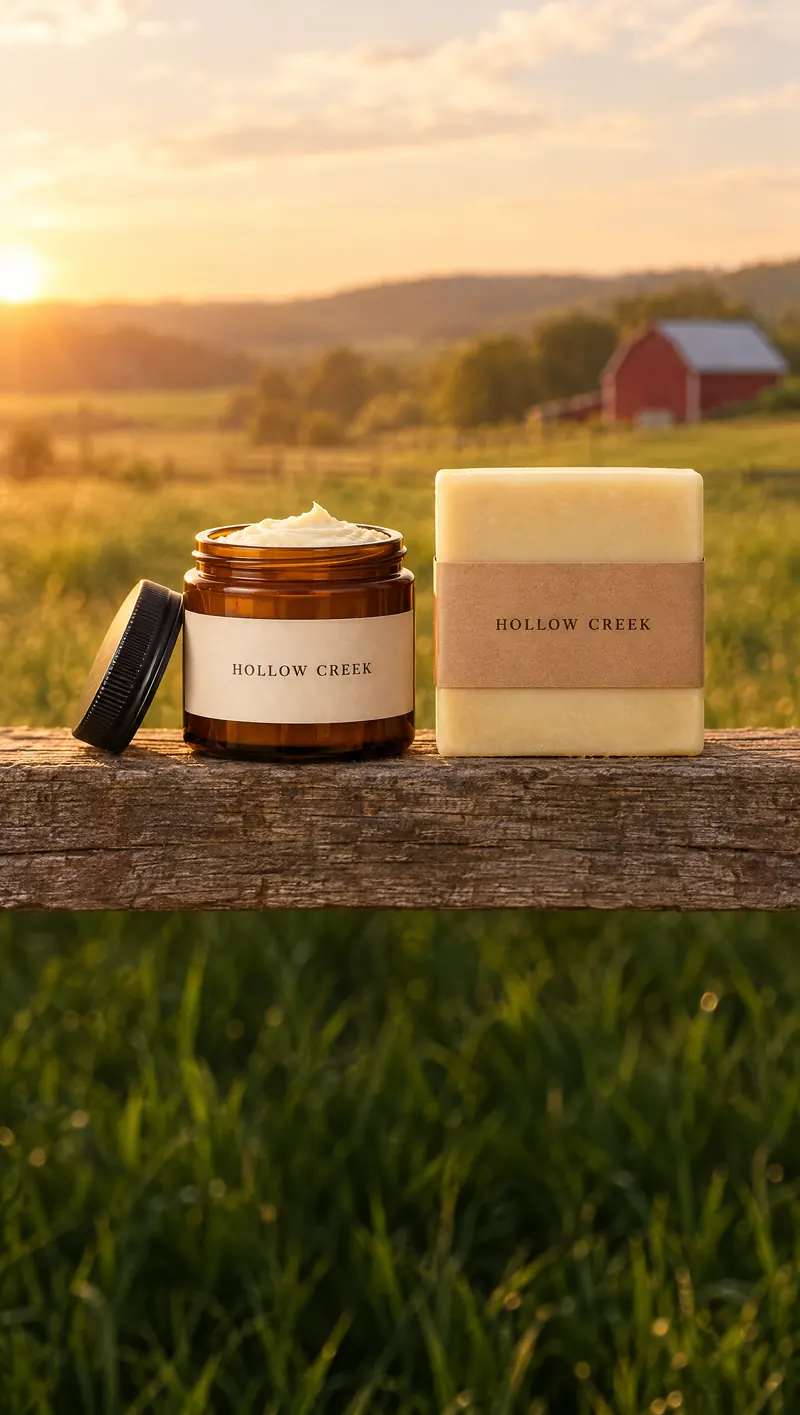
Example brand.
No. Beef tallow has no tested SPF and is not an approved sunscreen ingredient. In the US, any product that claims SPF or sun protection is an over-the-counter drug: it must use an active ingredient from the FDA's sunscreen monograph, such as zinc oxide, pass SPF testing and carry a Drug Facts label. A tallow balm can be sold as a moisturizer, not as sun protection.
Is beef tallow a sunscreen?
No. Cleveland Clinic's dermatology team is direct about it: beef tallow isn't known to have any sun protective qualities, and as a thick fat it may even leave skin more open to burning. We found no published SPF test of tallow.
The idea of tallow as "natural sunscreen" spreads through social posts and DIY recipes. If a tallow product carries a real SPF number, that protection comes from a sunscreen active ingredient added to the tallow, not from the tallow itself.
For what tallow does do on skin, see our guide to beef tallow for skin.
Where the SPF in a "tallow sunscreen" comes from
In the US, the FDA's sunscreen monograph, called M020, lists the active ingredients a sunscreen sold without a prescription can use, and how much of each. The two mineral actives on it are titanium dioxide and zinc oxide, each up to 25 percent. The rest are chemical filters such as avobenzone and octocrylene. Tallow is not on the list.
So in a tallow product that really has an SPF, an active such as zinc oxide does the protecting, and the tallow is the base it is mixed into. The SPF number has to come from testing the finished product, not from adding up ingredients.
The list changes. In 2026 the FDA added bemotrizinol as a new active (June 10) and removed PABA and trolamine salicylate (September 10). The FDA keeps the current status on its sunscreen questions and answers page.
What it takes to sell a sunscreen in the US
A sunscreen is a drug, even when it is also a moisturizer. The FDA says that moisturizers and makeup marketed with sun-protection claims are cosmetic/drug products, and must meet the rules for both. For a product sold under the monograph, that means:
- Approved actives only, within the monograph's limits and allowed combinations (M020.10 and M020.20).
- SPF testing of the finished product by the monograph's procedure (M020.80), and broad spectrum testing (M020.90) before the label can say "Broad Spectrum".
- Drug labeling: the effectiveness statement on the front, such as "Broad Spectrum SPF 30", and a Drug Facts panel with the active ingredients (M020.50).
- Registration and listing: drug makers must register their establishments and list their drug products with the FDA.
- Drug manufacturing practices: the law requires strict adherence to good manufacturing practice for drugs, and a drug made without it is considered adulterated.
The FDA also publishes a small entity compliance guide on sunscreen labeling and effectiveness testing. It is from 2012 and still posted as final, but it was written before the 2020 CARES Act moved sunscreens to the monograph system, so read it alongside the current monograph.
This is drug manufacturing, with its own testing, facility and paperwork. It is a different business from selling a tallow balm as a cosmetic.
Is beef tallow good for sunburn?
Tallow does not treat a sunburn. The American Academy of Dermatology's sunburn care tips are to get out of the sun, take cool baths or showers, use a moisturizer that contains aloe vera or soy, drink extra water and leave any blisters alone. Tallow is not on that list, and Cleveland Clinic notes that tallow's thick texture can hold in heat on sensitive skin.
Once a burn has healed and your skin is simply dry, a tallow balm is an ordinary moisturizer, with the same patch-test advice as any other new product. For a severe or blistering burn, ask a doctor.
If you sell tallow skincare: "soothes sunburn", "relieves burns" and "after-sun repair" describe treating an injury. They are drug claims, even on a product with no SPF.
Drug claim or cosmetic wording
The FDA decides whether a product is a drug from what it is intended to do, as shown by its claims on the label, in ads, online and in other promotion. Sun claims cross the line quickly. Here is how the same idea reads as a drug claim and as cosmetic wording:
| The idea | Drug claim (avoid) | Cosmetic wording |
|---|---|---|
| An SPF number | SPF 30, natural SPF | Rich balm for dry skin |
| Sun protection | Natural sun protection, sunscreen | Moisturizes after a day outdoors |
| UV | Blocks UV rays | Made with grass-fed beef tallow and beeswax |
| Sunburn | Heals or soothes sunburn | Softens dry, tight-feeling skin |
| Sun damage | Prevents sun damage or sun aging | Leaves skin feeling soft |
The cosmetic column still has to be true of your product. "Moisturizes after a day outdoors" says nothing about the sun's effect on skin; "protects after a day outdoors" would.
Cosmetic or OTC drug? A checklist
Run every label, listing, ad and post for a tallow product through these questions:
- Does any of it mention SPF, UV, sunscreen, sunblock or sun protection?
- Does it say the product prevents sunburn, sun damage or skin aging from the sun?
- Does it say the product soothes, heals or relieves a sunburn?
- Does it contain a sunscreen active, such as zinc oxide, and present it as the reason the product protects?
- Do the product's name and photos sell it for sun use: "sun balm", beach shots, a "summer shield"? The FDA also looks at why people buy a product and what they expect it to do.
- Do reviews you feature say it kept them from burning?
Any yes: you are selling a sunscreen drug, or a cosmetic and drug in one, and every requirement in the section above applies. All no: it can be sold as a cosmetic moisturizer, with a cosmetic label. Our tallow balm label guide covers what that label needs.
Why TallowPal makes no sunscreen
TallowPal's products are cosmetics and soap: tallow balms, whipped balm, eye balm, lotion, deodorant, lip balm and soaps. None of them has an SPF, and TallowPal sells no sunscreen or any other over-the-counter drug.
The same line runs through your labels. Every label is checked before it prints, and words such as "SPF", "sunscreen", "sun protection" and "burns" block it until they are changed. See how we check labels, browse the tallow balm formulas you can sell as a moisturizer, or start with a free account. More label and shipping questions are answered in our FAQ.
Sources
Read on October 26, 2026: FDA, OTC Monograph M020: Sunscreen Drug Products for Over-the-Counter Human Use (posted September 24, 2021), Questions and Answers: FDA's regulatory actions on over-the-counter sunscreen (current as of September 10, 2026), Is It a Cosmetic, a Drug, or Both? (Or Is It Soap?) and Labeling and Effectiveness Testing: Sunscreen Drug Products for Over-The-Counter Human Use, Small Entity Compliance Guide (December 2012); Cleveland Clinic, Beef Tallow for Skin: Is It Useful? (February 10, 2026); American Academy of Dermatology, How to treat sunburn.
This guide is general information, not medical advice. For a bad burn, see a doctor.
Questions
Is beef tallow a sunscreen?
No. Tallow has no tested SPF and is not on the FDA's list of sunscreen active ingredients. Use a sunscreen with a tested SPF for sun protection.
Can I sell a tallow sunscreen?
Only as an over-the-counter drug: an approved active such as zinc oxide within the monograph's limits, SPF and broad spectrum testing of the finished product, a Drug Facts label, drug establishment registration and listing, and drug manufacturing practices. A tallow balm without those is a cosmetic and cannot claim sun protection.
Is beef tallow good for sunburn?
It does not treat sunburn. Dermatologists advise cool showers, a moisturizer with aloe vera or soy, and extra water. Once skin has healed and is just dry, tallow balm works as an ordinary moisturizer.
What can a tallow balm say about the sun?
Nothing that suggests protection, prevention or treatment. Wording such as "moisturizes after a day outdoors" or "softens dry, tight-feeling skin" stays cosmetic. SPF, sunscreen, sun protection and sunburn relief are drug claims.
General information, not legal or tax advice. Rules change, so check the current requirements for your state and sales channels.
Start with one jar.
Free to design. Pick a plan when you are ready to sell. No minimums, ever.